

Some weeks seem to run you instead of the other way around. Meetings pile up, workouts get skipped and dinner becomes an afterthought. A short weekly planning session can change that. In about 20 minutes, you can look at the week ahead, choose what matters and fit in the habits you care about.
Here is a simple 6-step method, a sample plan and tips to keep your week realistic.
In this guide:
- Quick answer: how to plan your week
- The 6-step method
- A sample weekly plan
- Mistakes and FAQs

Quick Answer: How Do You Plan Your Week?
- Pick a regular time, such as Sunday evening or Monday morning.
- Look at your calendar and list your fixed commitments.
- Choose three main priorities.
- Schedule habits, meals and rest alongside work.
- Leave breathing room.
The 6-Step Weekly Planning Method
Step 1: Do a Quick Brain Dump (3 Minutes)
Write everything on your mind: tasks, errands, messages, ideas. Getting it out of your head makes it easier to sort.
Step 2: Check Your Calendar (3 Minutes)
Note appointments, deadlines, events and travel. These are fixed points for the week.
Step 3: Choose Three Priorities (3 Minutes)
Look at your brain dump and pick the three things that would make the week a success. They can be work, health or personal.
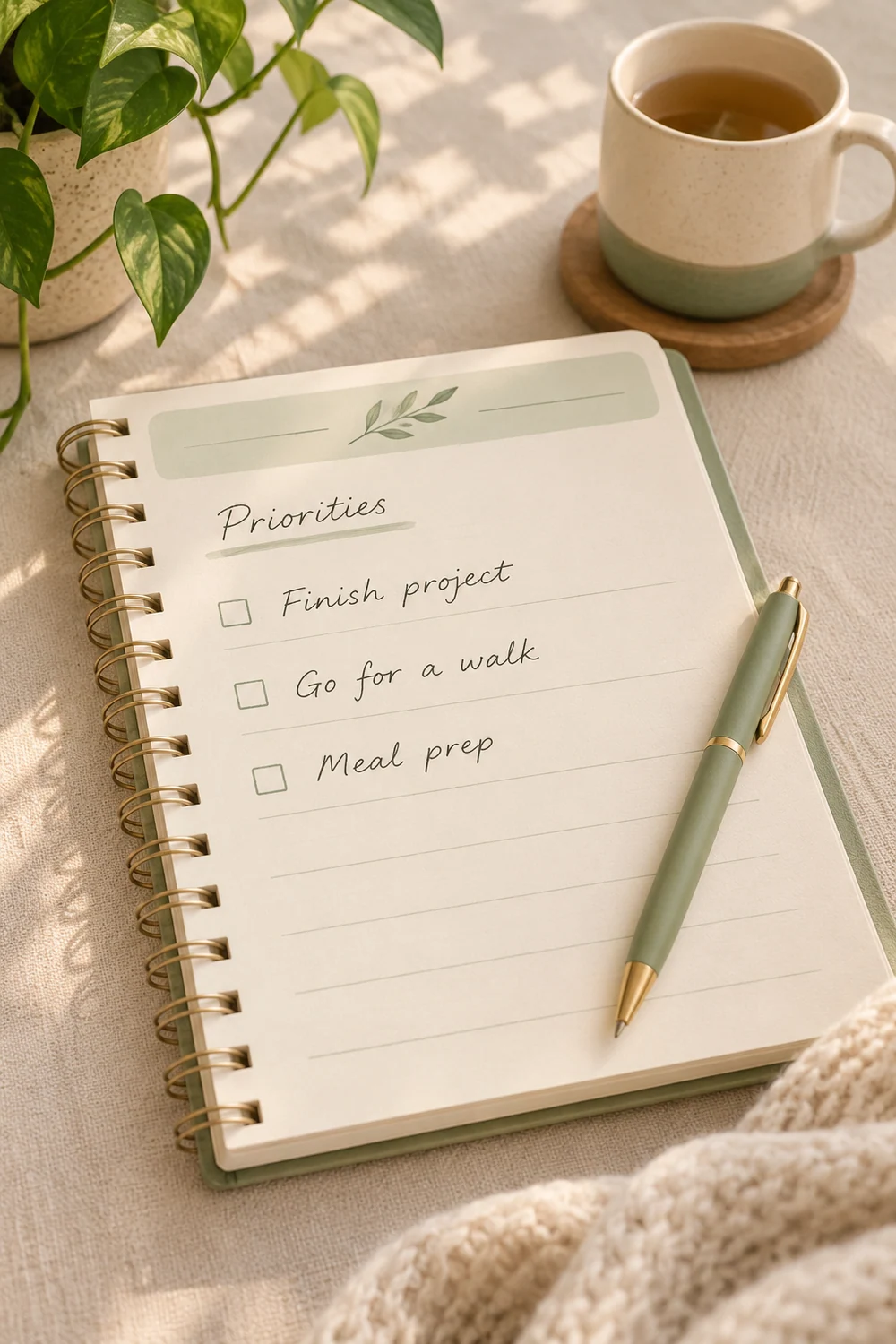
Step 4: Schedule Your Priorities (5 Minutes)
Put each priority on a specific day and time. If something is not scheduled, it is often forgotten. Our simple daily planner setup shows layouts.
Step 5: Add Habits and Self-Care (3 Minutes)
Block time for workouts, walks, meals and rest. Choose realistic slots, like a 20-minute walk after lunch. Use our habit tracker ideas to follow along.
Step 6: Plan Meals and Prepare (3 Minutes)
Decide dinners for the week and write a short grocery list. See healthy meal prep for beginners.
A Sample Weekly Plan
- Monday: Priority one, 20-minute walk
- Tuesday: Meetings and errands, early bedtime
- Wednesday: Priority two, home workout
- Thursday: Catch-up and prep for the weekend
- Friday: Priority three, relaxed dinner
- Saturday: Fun activity and a longer walk
- Sunday: Reset. See our Sunday reset routine.
Tips for a Realistic Week
- Plan for about 70 percent of your time. Leave space for surprises.
- Group similar tasks. Do errands in one trip and emails in one block.
- Plan your hard tasks for your best energy time.
- Add buffer time between meetings.
- Protect one evening for rest.
- Move unfinished tasks forward without guilt.
Build good habits one at a time. Our guide on how to build good habits explains how to start small.
Tools That Work
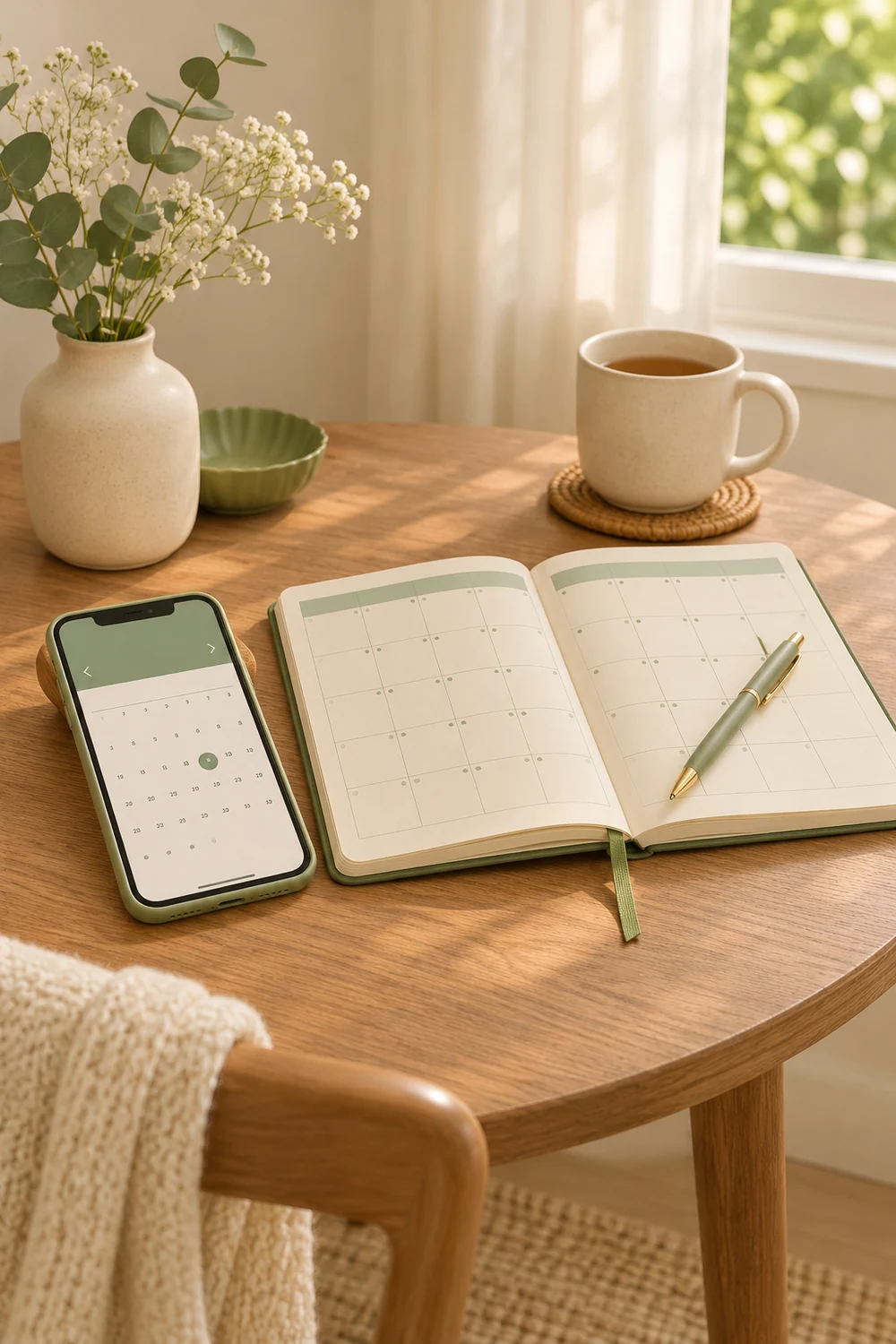
- Paper planner. Good for people who like to write.
- Digital calendar. Handy for reminders and sharing.
- Notes app. Simple for lists.
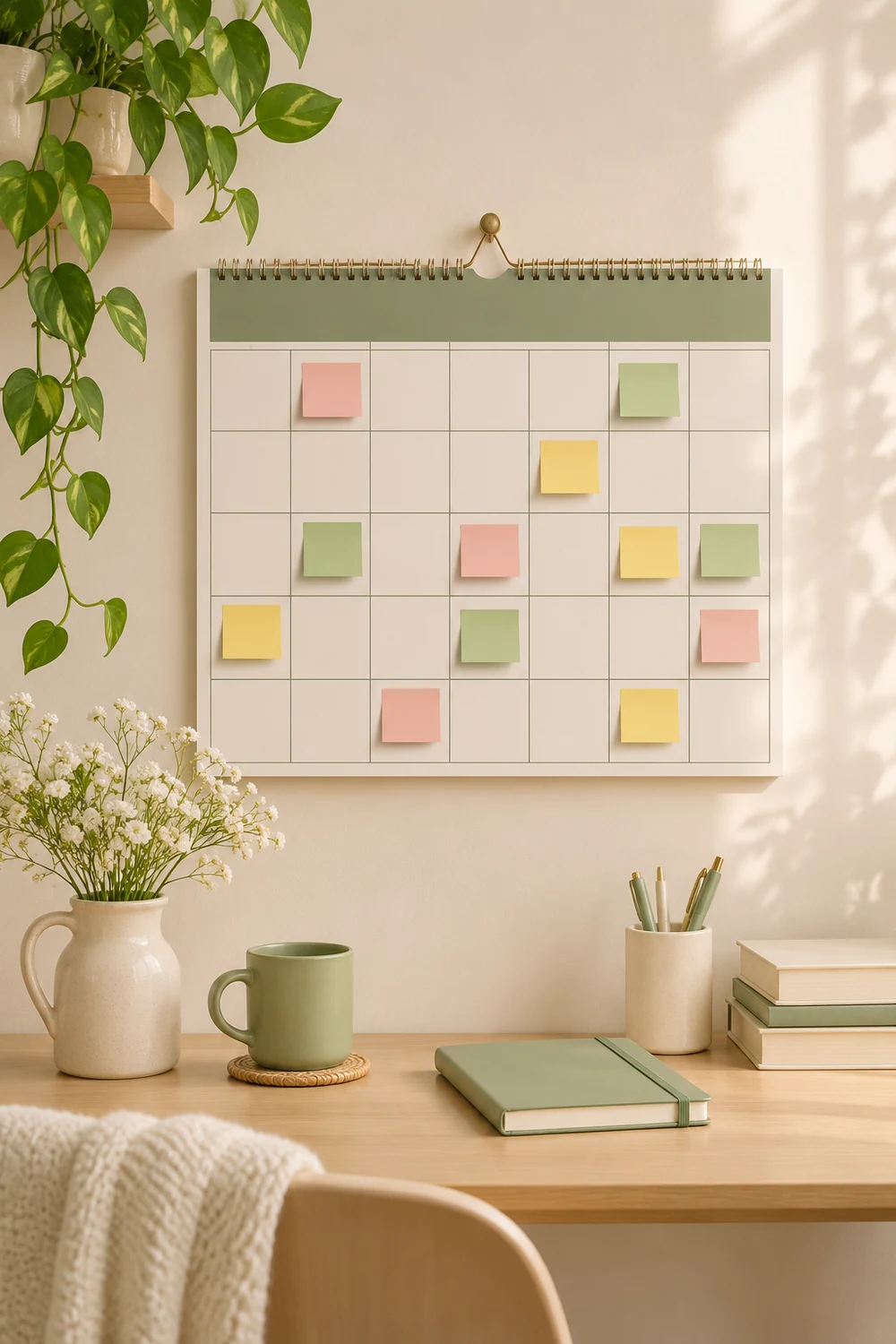
- Whiteboard or wall calendar. Helpful for families.
Use whichever you will actually open.
Common Mistakes
- Overloading each day. Be honest about time.
- Ignoring rest. Plan breaks too.
- Making the plan too complicated. Keep it simple.
- Not reviewing midweek. A two-minute check helps.
- Skipping the planning session. Even 10 minutes helps.
Frequently Asked Questions
When is the best time to plan my week?
Whenever you can be consistent. Many people like Sunday evening or Monday morning.
How long should weekly planning take?
About 20 minutes is enough for most people.
How many priorities should I choose?
Three is a good number. It keeps you focused.
What if my week changes?
Adjust the plan. It is a guide, not a contract.
Should I plan every hour?
Not necessarily. Plan key tasks and leave room to flex.
What if I forget to plan?
Do a quick 5-minute version on Monday morning.
Final Thoughts
A weekly plan helps you spend your time on what matters. Try the 20-minute method this week, keep it simple and adjust as you go. A little planning can bring a lot of calm.
Related Articles You May Like
 Evening RoutinesSunday Reset Routine: A Simple Checklist for a Calm WeekRead article →
 Planning & ProductivitySimple Daily Planner Setup for BeginnersRead article →
 Daily Routines10 Healthy Morning Routine Ideas That Take Under 20 MinutesRead article →
This article is for general information and inspiration only and is not medical advice. If you have a health condition or concerns about exercise, sleep or nutrition, please speak with a qualified healthcare professional.
This article is for general information only and is not medical advice. Talk to a doctor before changing your diet, exercise or health routine. Read our full disclaimer.